

Vedic Mantra Chanting
Vedic Mantra Chanting at Hridayam
In a world shaped by constant stimulation, even silence can feel restless.
The mind keeps moving.
The body keeps holding.
Vedic tradition offers a different doorway.
Not through forcing stillness,
but through sound that steadies.
At Hridayam, Vedic Mantra Chanting is offered as a contemplative, therapeutic practice,
rooted in Yoga Therapy and meditation.
This is not performance or singing.
It is a precise discipline of sound, breath, and attention, guided by lineage and care.
Through sacred vibration (Śabda), the mind, breath, and nervous system are gently brought
back into balance.
The Three Pillars of Vedic Chanting
भर्गो देवस्य धीमहि
धियो यो नः प्रचोदयात् ॥
Gayatri Mantra
The mantra of awakening and
clear seeing

Om
The primordial vibration, before
form and thought
Maha Mrityunjaya Mantra
The mantra of healing, fearlessness, and
continuity of life
What the Practice Cultivates
Mental Clarity & Cognitive Strength
Sanskrit recitation demands precision,memory, and sustained attention. Over time, this structured engagement sharpens focus, strengthens recall, and clears mental fog, training the mind to remain present and discerning.
Nervous System Regulation & Emotional Stability
Sanskrit recitation demands precision,memory, and sustained attention. Over time, this structured engagement sharpens focus, strengthens recall, and clears mental fog, training the mind to remain present and discerning.
Nervous System Regulation & Emotional Stability
Sanskrit recitation demands precision, memory, and sustained attention. Over time, this structured engagement sharpens focus, strengthens recall, and clears mental fog, training the mind to remain present and discerning.
Contemporary research increasingly mirrors what the tradition has long known:
Brainwave Regulation
Chanting, particularly Om; has been associated with reduced beta activity and increased alpha waves, indicating relaxed alertness.
Neuroplastic Benefits
Regular mantra practice has been linked to increased grey matter density in regions related to memory, language, and attention.
Physiological Calm
Slow, rhythmic breathing during chanting improves heart rate variability, a key marker of stress resilience and cardiovascular health.
Sound, when used with precision, becomes a therapeutic tool.
When Science Meets Tradition
Lineage & Transmission
This work is shared within a living lineage.
Puneeta has been trained under Menaka Desikachar, continuing the tradition of:
T. Krishnamacharya, who revived and systematized classical yoga.
T.K.V. Desikachar, who emphasized yoga as therapeutic, personal, and deeply inward
This lineage values precision, humility, and direct experience, treating chant not as recital, but as sacred practice rooted in breath and sound.
Puneeta shares this work with clarity and gentleness, making classical chanting accessible while honoring its depth and origins.
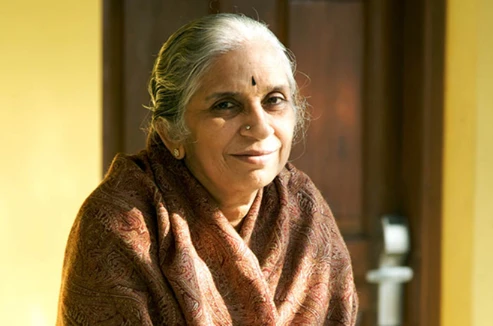
Menaka Desikachar
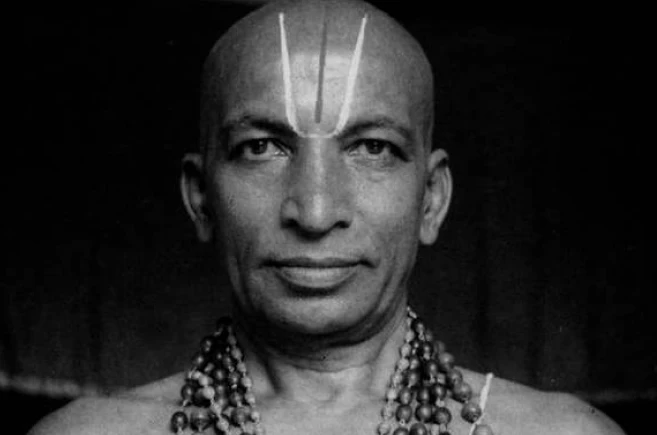
T. Krishnamacharya
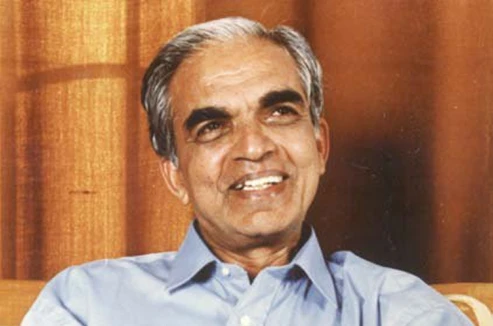
T.K.V. Desikachar
Vedic Mantra Chanting is not a mechanical repetition.
It is a return, to clarity, steadiness, and inner alignment.
At Hridayam, you are invited to experience sound as a non-
invasive, deeply restorative practice, one that supports
healing, awareness, and self-mastery.
The practice is subtle.
The effects are lasting.